Nikon D750 Review: A Detailed Guide to Features, Image Quality and Real-World Performance
The Nikon D750 is a full-frame DSLR that has earned a strong reputation among photographers who value image quality, dependable autofocus, comfortable handling, and excellent low-light performance. It was designed as a versatile FX-format camera rather than a specialist body, making it suitable for portraits, weddings, landscapes, travel, events, and everyday professional photography.
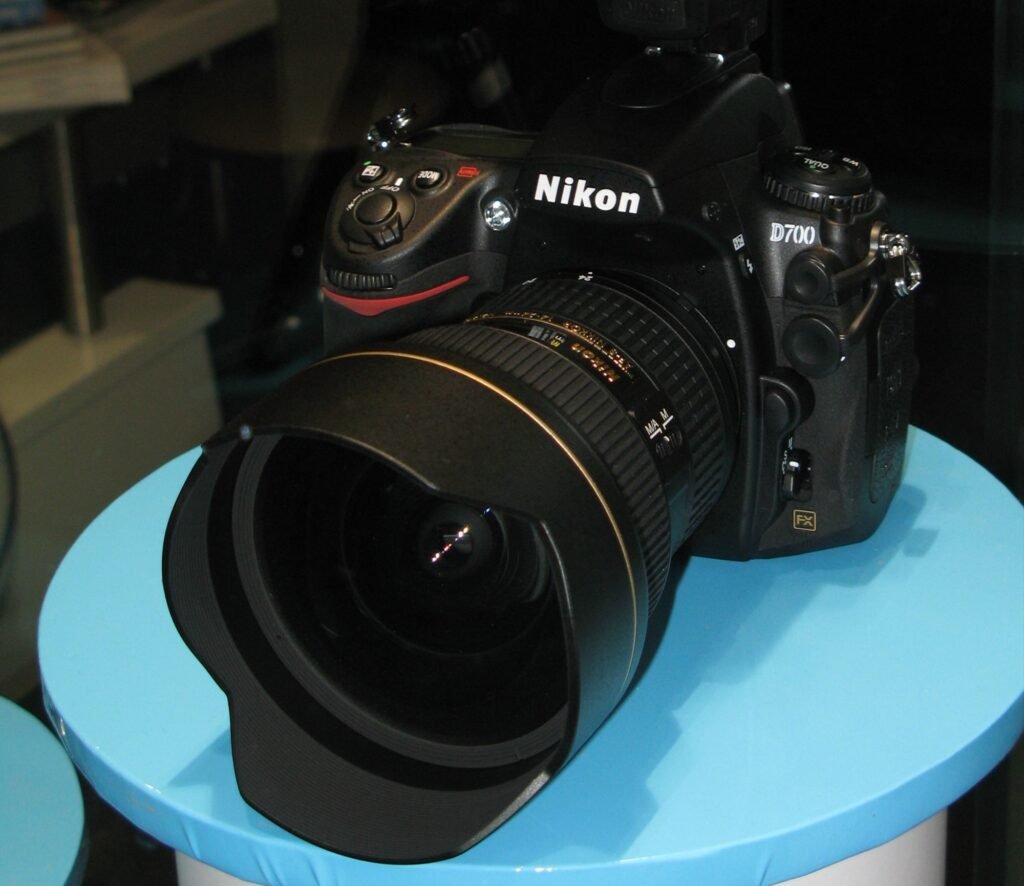
Even though the D750 is an older DSLR, its full-frame sensor and mature feature set can still make it an appealing option for photographers looking for an affordable entry into Nikon’s full-frame system.
At a Glance
The D750 combines a 24.3-megapixel FX-format CMOS sensor with Nikon’s EXPEED 4 image-processing engine. It offers a useful balance between resolution, high-ISO performance, autofocus capability, and file size.
Its 51-point autofocus system, approximately 6.5 frames-per-second continuous shooting, tilting LCD, built-in Wi-Fi, and Full HD video support give it considerably more flexibility than a basic entry-level DSLR.
Main Highlights
- 24.3MP full-frame FX CMOS sensor
- EXPEED 4 image processor
- 51-point autofocus system
- Approximately 6.5 fps continuous shooting
- ISO 100–12,800, expandable to ISO 50–51,200
- Full HD video recording
- 3.2-inch tilting LCD
- Built-in Wi-Fi
- Dual SD memory-card slots
- Nikon F lens mount
- Optical pentaprism viewfinder
- Weather-resistant body construction
Detailed Specification Sheet
Feature Nikon D750 Camera Type Full-frame DSLR Sensor FX-format CMOS Effective Resolution 24.3MP Image Processor EXPEED 4 Native ISO 100–12,800 Expanded ISO 50–51,200 Autofocus 51-point AF Cross-Type Points 15 Continuous Shooting Approx. 6.5 fps Maximum Shutter Speed 1/4000 sec Video Full HD LCD 3.2-inch tilting display Viewfinder Optical pentaprism Wireless Built-in Wi-Fi Memory Dual SD slots Lens Mount Nikon F Battery EN-EL15 Weight Approx. 750g with battery and card
Why the D750’s Full-Frame Sensor Matters
One of the main reasons to consider the D750 is its FX-format sensor.
Compared with an APS-C camera, a full-frame sensor gives photographers a wider field of view with the same focal length and can make it easier to achieve shallow depth of field with appropriate lenses.
The 24.3MP resolution is also well balanced. It provides enough detail for large prints and cropping while avoiding unnecessarily huge file sizes.
For photographers who shoot hundreds of images during weddings or events, this balance can be particularly useful.
Image Quality
The D750 is primarily a photography-oriented camera, and image quality is one of its strongest areas.
At lower ISO settings, it can produce detailed images with good tonal information. The full-frame sensor also gives photographers considerable flexibility when processing RAW files.
The camera is particularly attractive for photographers who frequently work with natural light.
Good Applications for Its Sensor
The D750 is well suited to:
- Landscape photography
- Portraits
- Weddings
- Indoor events
- Travel
- Street photography
- Studio work
- Night photography
Low-Light Capability
The native ISO range extends from ISO 100 to 12,800, with expanded settings available up to ISO 51,200.
High-ISO performance is one of the areas where the D750 has traditionally been well regarded.
A fast lens can further improve low-light results. For example, pairing the camera with a 35mm, 50mm, or 85mm lens with a wide maximum aperture can be useful for indoor portraits and evening photography.
Of course, increasing ISO always introduces more image noise, so the final result depends on exposure, lens choice, subject movement, and post-processing.
Autofocus: What Can You Expect?
The D750 uses Nikon’s 51-point Multi-CAM 3500 II autofocus system, including 15 cross-type sensors.
This gives the camera a strong foundation for photographing people, events, and moving subjects.
Its autofocus performance is especially useful when working through the optical viewfinder.
The system offers several AF-area modes, allowing photographers to select an approach based on whether the subject is stationary or moving.
Continuous Shooting Performance
The D750 can shoot at approximately 6.5 frames per second.
This is not intended to compete with today’s high-speed professional mirrorless cameras, but it is fast enough for many real-world situations.
For example, it can handle:
- Wedding moments
- Children running
- Casual sports
- Wildlife
- Birds in suitable conditions
- Stage performances
- Events
Photographers covering extremely fast sports may benefit from a newer camera with a faster burst rate and more advanced subject tracking.
Shutter and Exposure Control
The D750 offers a maximum shutter speed of 1/4000 second.
It also provides the manual controls expected from an enthusiast/professional-oriented DSLR, giving photographers control over shutter speed, aperture, ISO, white balance, and exposure compensation.
For normal portrait, landscape, event, and travel photography, the shutter range is sufficient for most situations.
The Tilting LCD Is Surprisingly Useful
Unlike many older full-frame DSLRs, the D750 includes a 3.2-inch tilting LCD monitor.
This is useful when the camera needs to be positioned above or below eye level.
For landscape photography, architecture, low-angle compositions, and Live View work, a tilting screen can make framing considerably easier.
It is not a fully articulating display, however, so it does not provide the same flexibility as a modern flip-out screen.
Optical Viewfinder Experience
The D750 uses an optical pentaprism viewfinder.
One advantage of an optical viewfinder is the direct, natural view of the scene without an electronic display being placed between the photographer and the subject.
This can be particularly enjoyable for photographers who prefer traditional DSLR shooting.
Video Capabilities
The Nikon D750 supports Full HD video recording.
It can therefore be used for:
- YouTube videos
- Interviews
- Educational videos
- Short films
- Family videos
- Basic professional video projects
However, video technology has advanced significantly since the D750 was introduced. The absence of 4K recording, combined with newer cameras offering better video autofocus and stabilization, means modern creators may prefer a newer body.
Audio Features
For video production, the camera provides connections for external audio equipment.
An external microphone can provide better sound than relying on the camera’s built-in microphone.
This is important because good audio quality can have a major effect on the perceived quality of a video.
Dual SD Card Slots
The D750 includes two SD memory-card slots.
This provides additional flexibility compared with cameras that have only one card slot.
Depending on the selected configuration, photographers can use the second card for overflow, backup, or different file types.
For weddings and important events, having two card slots can be a valuable feature.
Built-In Wi-Fi
The D750 has built-in Wi-Fi.
Wireless functionality can be useful for transferring selected photographs to compatible devices and for remote-control applications.
For photographers who want to share images without removing the memory card, this can be convenient.
Nikon F-Mount Compatibility
The D750 uses Nikon’s F mount, giving users access to a huge range of Nikon-compatible lenses.
This includes:
- Wide-angle lenses
- Standard zooms
- Portrait primes
- Macro lenses
- Telephoto zooms
- Professional constant-aperture lenses
The availability of both older and newer F-mount lenses makes building a D750 system relatively flexible, particularly on the used market.
How the D750 Performs for Different Types of Photography
Portrait Photography
Portrait photography is one of the D750’s natural strengths.
The full-frame sensor works particularly well with lenses such as 50mm and 85mm primes. A wide-aperture lens can create a shallow depth of field and separate the subject from the background.
Wedding Photography
The D750 can be a practical wedding camera because it combines good high-ISO performance, dependable autofocus, dual card slots, and a relatively manageable body size.
Its 24.3MP resolution is also sufficient for wedding albums, prints, and online delivery.
Landscape Photography
For landscapes, the full-frame sensor provides a wide field of view and good image quality.
A wide-angle lens can turn the D750 into a capable landscape setup, while RAW shooting gives photographers substantial flexibility during editing.
Wildlife Photography
The D750 can photograph wildlife effectively, particularly when paired with a quality telephoto lens.
However, photographers who specialize in fast-moving birds or professional wildlife work may prefer newer cameras with faster bursts, improved tracking, and higher-resolution electronic systems.
Travel Photography
The D750 provides excellent image quality for travel, but it is not a particularly small camera.
If image quality is the main priority and carrying a DSLR is acceptable, it remains a strong option. Travelers prioritizing minimal weight may find a modern mirrorless system more convenient.
D750 vs D780
The Nikon D780 is the more modern camera in this comparison. Category Nikon D750 Nikon D780 Resolution 24.3MP 24.5MP Processor EXPEED 4 EXPEED 6 Viewfinder AF 51-point 51-point Live View AF Older generation Much more advanced Continuous Shooting Approx. 6.5 fps Up to 7 fps Video Full HD 4K UHD Screen Tilting Tilting Memory Dual SD Dual SD Wi-Fi Yes Yes Best Advantage Value and photography Newer technology
If you primarily shoot still photographs and find a D750 at a substantially lower price, it can still make sense. For video and Live View autofocus, the D780 is considerably more attractive.
D750 vs Canon EOS 6D
The Canon EOS 6D is another full-frame DSLR from the same general generation. Feature Nikon D750 Canon EOS 6D Resolution 24.3MP 20.2MP Sensor Full-frame Full-frame Burst Approx. 6.5 fps Approx. 4.5 fps Autofocus 51-point 11-point Screen Tilting Fixed Memory Slots 2 1 Wi-Fi Yes Yes GPS No Yes
The D750 has advantages in autofocus-point count, burst performance, screen flexibility, and dual-card storage.
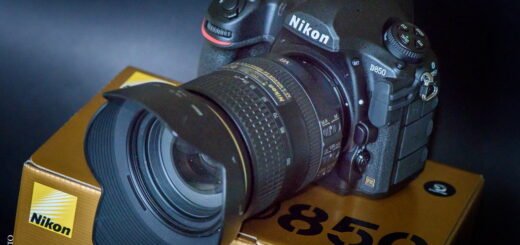
D750 vs Nikon D850
The D850 is a much more resolution-focused professional DSLR.
The D850 provides a 45.7MP full-frame sensor, substantially higher resolution than the D750’s 24.3MP sensor.
However, the D750 can still be attractive for photographers who do not need extremely high resolution and want smaller file sizes and a more affordable full-frame setup.
Strengths and Weaknesses
What I Like About the D750
Excellent full-frame image quality:
The 24.3MP sensor offers a strong balance between detail and manageable file sizes.
Strong low-light performance:
The camera is capable of producing useful results at higher ISO settings when exposure and lens selection are appropriate.
Reliable autofocus:
Its 51-point system remains useful for portraits, events, and moving subjects.
Dual card slots:
This is particularly valuable for important assignments.
Tilting display:
It makes unusual shooting angles easier.
Large lens selection:
The Nikon F mount gives users access to a wide range of lenses.
Limitations to Remember
No 4K video:
This is one of the biggest disadvantages for modern video creators.
Older Live View experience:
Newer cameras provide much more sophisticated Live View autofocus.
6.5 fps is not class-leading today:
Professional action photographers may need something faster.
DSLR size:
It is considerably larger than many modern full-frame mirrorless cameras.
1/4000 sec maximum shutter:
Some newer enthusiast and professional bodies offer 1/8000 sec or faster.
Is a Used Nikon D750 a Good Idea?
A used D750 can be a sensible purchase if the camera has been properly maintained.
Because age and previous usage vary considerably between individual units, the condition of the specific camera is more important than simply buying the model name.
Before purchasing, inspect:
- Shutter operation
- Sensor condition
- Autofocus accuracy
- LCD screen
- Viewfinder
- Memory-card slots
- Battery condition
- HDMI/USB ports
- Hot shoe
- Lens mount
- Signs of moisture or impact
Also take several test photographs at different ISO settings and check the files on a computer if possible.
Best Lens Pairings
A good lens can transform the D750.
For Everyday Photography
A 24–120mm-type zoom is a versatile choice for travel, portraits, events, and general photography.
For Portraits
An 85mm prime is an excellent option for traditional full-frame portrait work.
For Low Light
A 35mm or 50mm fast prime can be useful for indoor and evening photography.
For Wildlife
A 70–300mm or longer telephoto lens provides significantly more reach.
For Landscapes
A 14–24mm-type wide-angle zoom or a suitable wide-angle prime can make the most of the full-frame sensor.
Who Is the D750 Best For?
The D750 makes the most sense for photographers who want:
- Full-frame image quality
- Strong low-light performance
- Traditional DSLR handling
- An optical viewfinder
- Reliable autofocus
- Dual SD card slots
- A large selection of affordable F-mount lenses
- A reasonably affordable entry into Nikon FX photography
It is particularly appealing to portrait, wedding, event, landscape, and general-purpose photographers.
Who Should Choose Something Newer?
A newer camera would be a better choice if you specifically need:
- 4K or higher-resolution video
- Advanced subject detection
- Modern animal/bird tracking
- Very high burst rates
- In-body stabilization
- A compact mirrorless body
- More sophisticated electronic viewfinder features
Final Assessment
The Nikon D750 is a classic full-frame DSLR that still offers a compelling photography experience. Its 24.3MP FX sensor, capable high-ISO performance, 51-point autofocus system, dual SD card slots, tilting screen, and extensive F-mount lens compatibility make it a versatile camera.
Its age becomes obvious when video and Live View features are compared with modern mirrorless cameras. But if your priority is still photography rather than cutting-edge video, the D750 remains a capable option—especially when purchased used in good condition.
Overall Score
Area Score Image Quality 4.7/5 Low-Light Performance 4.7/5 Autofocus 4.4/5 Portrait Photography 4.8/5 Wedding Photography 4.7/5 Wildlife 4.1/5 Video 3.5/5 Build & Handling 4.5/5 Battery 4.4/5 Overall Value 4.5/5
Overall Rating: 4.5/5
Frequently Asked Questions
Is the Nikon D750 a full-frame camera?
Yes. The D750 uses Nikon’s FX-format full-frame CMOS sensor.
How many megapixels does the Nikon D750 have?
It features a 24.3-megapixel effective-resolution sensor.
Does the Nikon D750 shoot 4K?
No. Its video capability is Full HD rather than 4K.
Is the D750 good for portraits?
Yes. Its full-frame sensor and compatibility with fast portrait lenses make it particularly suitable for portrait photography.
Is the D750 suitable for weddings?
Yes. Dual card slots, good high-ISO performance, autofocus, and manageable file sizes make it useful for wedding photography.
Does the D750 have Wi-Fi?
Yes. Built-in Wi-Fi is included.
How fast can the D750 shoot continuously?
It can shoot at approximately 6.5 frames per second.
Does the D750 have two memory-card slots?
Yes. It has two SD card slots.
What lenses can be used with the D750?
The camera uses Nikon’s F mount and can work with a broad range of compatible Nikon lenses, subject to lens compatibility and camera functions.
Is the Nikon D750 still worth buying?
For photography-focused users, particularly on the used market, it can still be a worthwhile full-frame DSLR. Those needing modern video and advanced autofocus features should consider newer cameras.
Nikon D750: Final Verdict
The Nikon D750 may no longer be a cutting-edge camera, but it remains a strong example of why full-frame DSLRs became so popular. It delivers high-quality photographs, dependable handling, useful autofocus, good low-light capability, and access to a huge lens ecosystem.
For someone primarily interested in photography rather than modern video, a well-maintained D750 can still be a very capable camera.